- Phone Number (912-662-5130)



 Take a tour with Robert, a Savannah native, at See Savannah walking tours; take the kids, have fun, learn a lot.
 Robert gives one heck of a tour. He brought the rich history of the South to life as we strolled the streets of historic Savannah. It was fascinating.
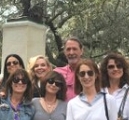 Thanks for the wonderful tour.
 My wife and I thoroughly enjoyed the tour. Very Interesting.
 Thanks, fantastic tour!
 Walking Savannah with Robert was the highlight of our trip
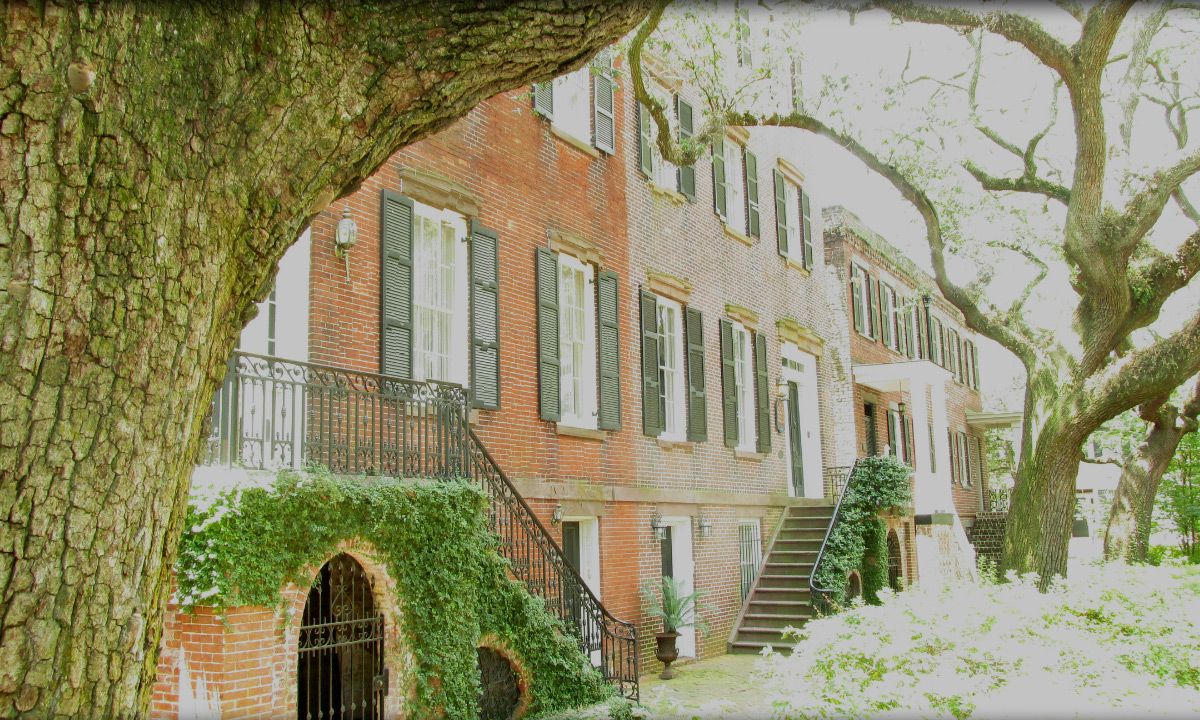
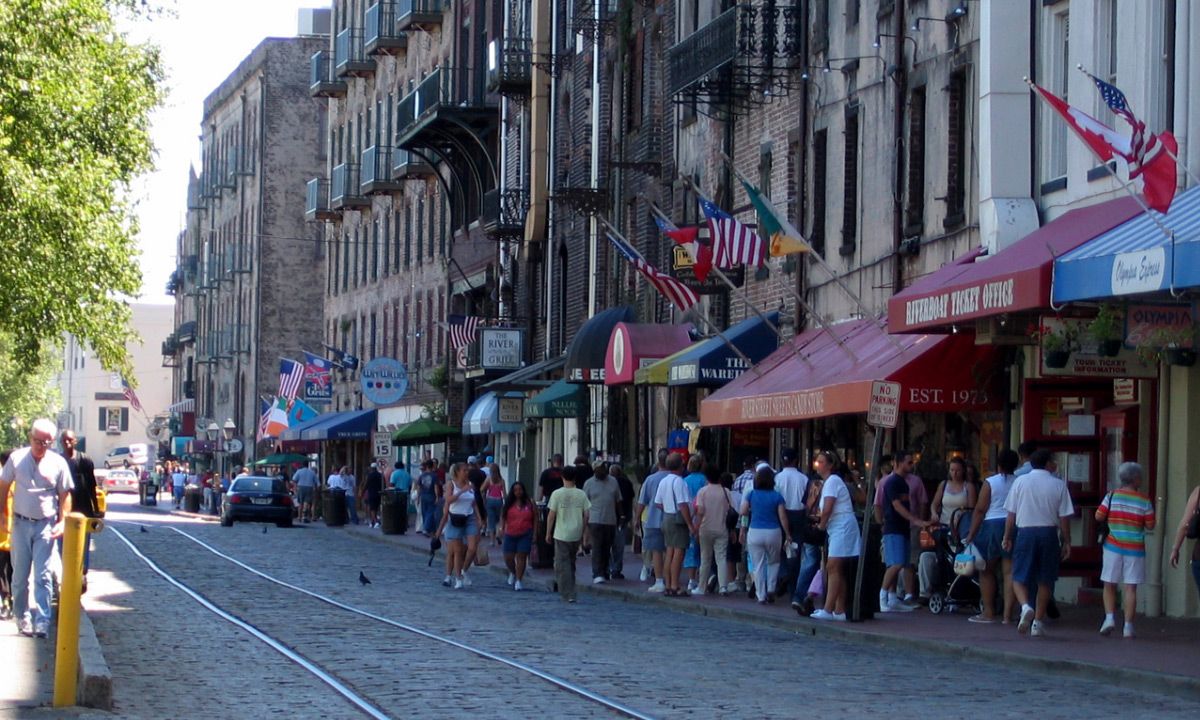
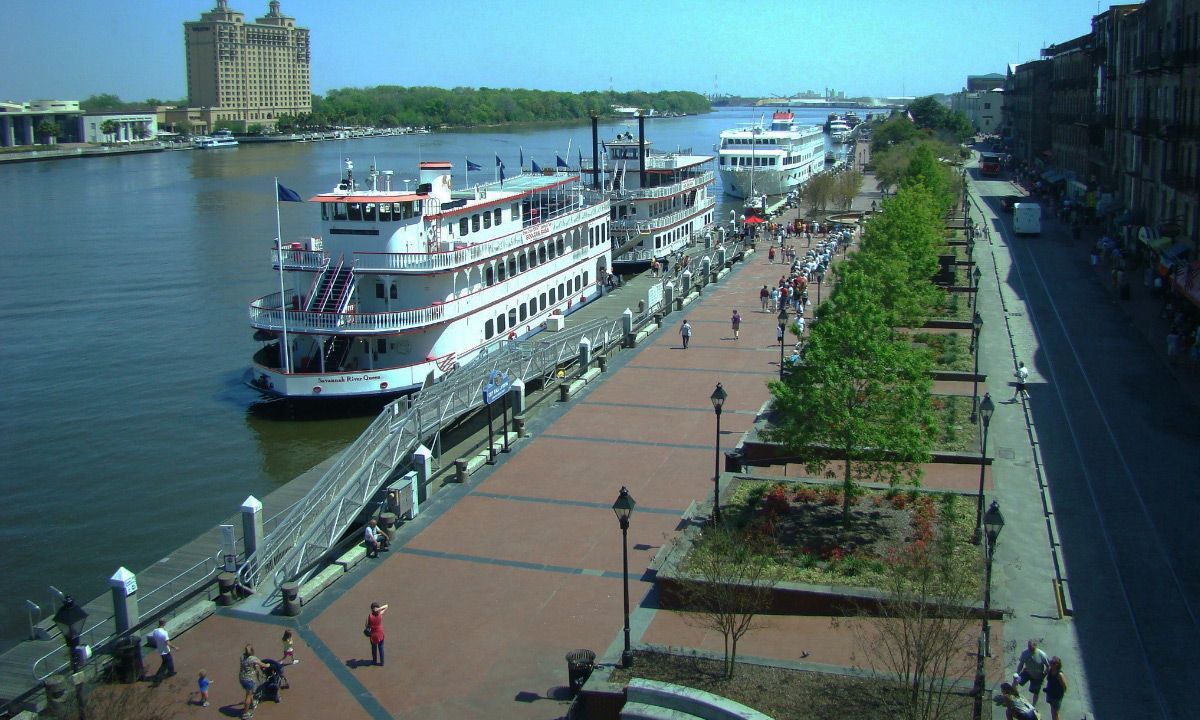
The very best way to get to know the Hostess City is to stroll along her waterfront and through her squares with a knowledgeable and experienced guide. Local author Robert Edgerly was born at the Telfair Infirmary for Women in Savannah, where he was raised and has lived most of his life. After working for a number of years as a tow boat captain in New Orleans, Robert returned home in 1989 to launch river boat cruises on the Savannah River. He later worked at the Roundhouse Railroad Museum before founding See Savannah walking tours in 1997, which includes the very popular *original* Hauntings Tour.
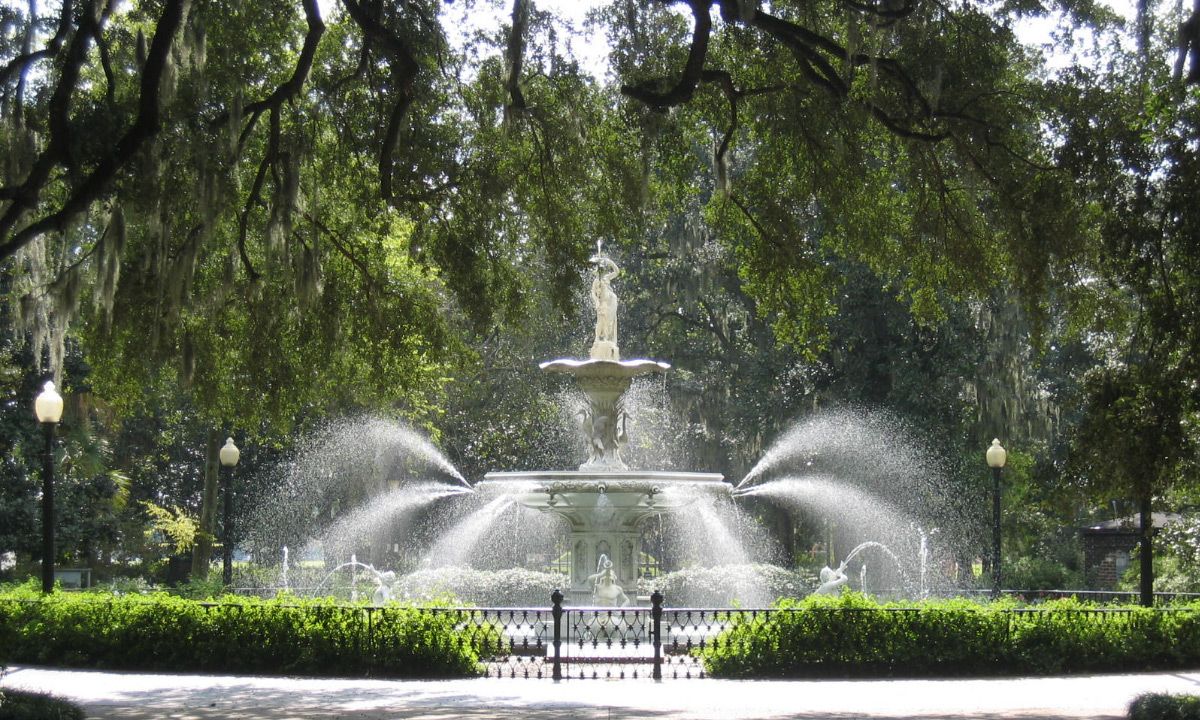
Having written a book on local history and hauntings, a private walking tour with Robert offers unmatched access to and information about Savannah by weaving history and culture, anecdotes and regional lore. Robert describes the city's rich past from her settlement by the British to a bustling cotton port and now the fourth largest container port in the US to her status today as a top travel destination that adds to this history art galleries, designer and antique shops, world-class restaurants, and local watering holes. A walk with Robert is not only a walk through Savannah's physical gardens, squares, and architecture, but is also a walk through time; it is an exploration of her military, religious, cultural, and even ghostly and pirate-ridden history.

Speak with Robert Edgerly
Phone: 912-662-5130
Email:
edge@seesavannah.com
124 Bull Street at Tomochichi's Rock in Wright Square at Bull and York Street
Savannah, Georgia
31401